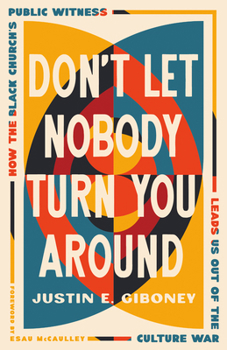
The Holy Post Book Club provided me with a copy of the book, Don’t Let Nobody Turn You Around: How the Black Church’s Public Witness Leads Us Out of the Culture War
by Justin Giboney. Google Gemini reviews the book as follows.
“In Don’t Let Nobody Turn You Around, Justin Giboney leverages the Black church’s historical, faith-rooted social action tradition to offer a compelling alternative to modern, polarized culture wars. The book acts as a guide for Christian civic engagement, advocating for a principled, compassionate public witness that prioritizes justice and Truth over partisan political allegiances.
Key Themes and Takeaways
- A “Third Way” Approach: Giboney, cofounder of the AND Campaign, argues against joining either side of the broken political binary, promoting a “third way” that is both socially conscious and biblically orthodox.
- Learning from History: The book draws inspiration from the Civil Rights Movement’s reliance on “soul force,” encouraging a public witness rooted in love, courage, and resilience rather than fear or hatred.
- Independent Voice: The Black church tradition is presented as a model for being an independent voice, holding both political sides accountable rather than seeking to please them.
- Moral Imagination: Giboney encourages cultivating a “moral imagination” that helps Christians see political opponents as neighbors to be loved rather than enemies to be destroyed.
Critical Reception and Structure
The book is described as an easy-to-read, yet profound, critique of both the religious right and left. It uses personal storytelling, historical analysis, and practical wisdom,, although some reviewers noted the lack of a subject index. The chapters examine topics such as the flaws of progressivism and conservatism, the need for spiritual conviction, and the importance of engaging in politics with the “fruit of the Spirit”.
Don’t Let Nobody Turn You Around is seen as a timely, essential read for Christians disillusioned by political polarization and seeking a way to act with both conviction and compassion. “
I enjoyed Justin Giboney’s suggestion that we learn from the Civil Rights Movement’s reliance on the Black church’s model for community and political engagement. I do not agree with all of his conclusions, but respect his voice.
Leave a Reply