In my discussions about theological understandings, in order to denigrate another theologian’s understanding, some have said, “Anyone can call themselves a theologian.” While this statement is not false, it is often used against highly recognized scholars. At the same time, “popular motivational speakers,” who have little to no scholarship, are recognized by these same people as theological stalwarts.
I recently saw a post by a pastor who relayed a post by a popular speaker that expressed the definitive text in understanding God’s view of human sexuality. One problem is that the popular speaker shortened the full text to remove the part that would highlight his hypocrisy in using that partial text as definitive and the pastor did not wrestle with the full text before promoting the definitive text.
I believe that understanding God’s view of human sexuality is a worthwhile endeavor. It takes serious study and honoring community discussion. Throwing out “definitive” texts without context is not being faithful to the text or the authority of God.
Richard B. Hays is a highly recognized New Testament scholar for several decades. He is is Dean and George Washington Ivey Professor of New Testament at Duke Divinity School. In the 1990s, he wrote a book, The Moral Vision of the New Testament: Community, Cross, New Creation, A Contemporary Introduction to New Testament Ethics. Since the book was written, pastors have used the chapter on human sexuality to support their understanding of God’s view of human sexuality.
After almost 30 years, Richard B. Hays has changed his mind about his understanding of God’s view of human sexuality.
Christopher B. Hays is Richard’s son and is a highly recognized Old Testament scholar. He is D. Wilson Moore Professor of Old Testament and Ancient Near Eastern Studies and chair of the Bible faculty at Fuller Theological Seminary.
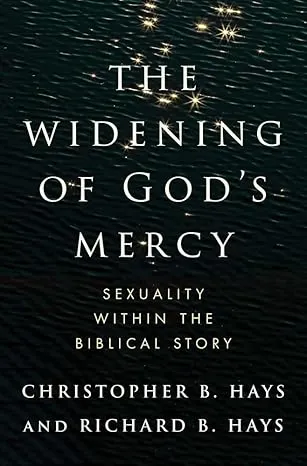
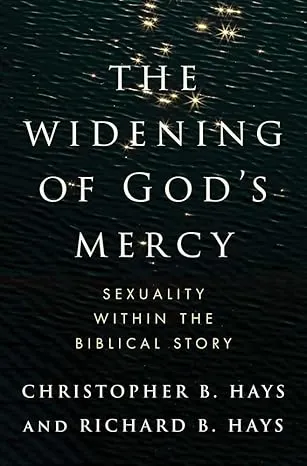
In their book, The Widening of God’s Mercy: Sexuality Within the Biblical Story, Christopher explores the Old Testament and Richard explores the New Testament to present the overarching Biblical theology that made them change their minds. Thirty percent of the book is textual documentation in support of their new understanding of God’s view of human sexuality.
I would highly recommend this book. You may not come to the same conclusions, but respect for their study and scholarship is valuable to wrestle with the topic. Arriving at a different conclusion by studying the topic thoroughly from different perspectives is a more faithful treatment of the text and the authority of God than promoting “bumper-sticker definitive” texts taken out of context.
Leave a Reply