In his letter to the Philippians, Paul wrote,
Imitating Christ’s Humility
- If then there is any encouragement in Christ, any consolation from love, any sharing in the Spirit, any compassion and sympathy, make my joy complete: be of the same mind, having the same love, being in full accord and of one mind. Do nothing from selfish ambition or conceit, but in humility regard others as better than yourselves. Let each of you look not to your own interests, but to the interests of others. Let the same mind be in you that was in Christ Jesus, (NRSVA)
Humility has been an ancient virtue in Christianity.
Today, this virtue seems to have been lost. Humility is seen as being weak. Ministry leaders model a lack of this virtue.
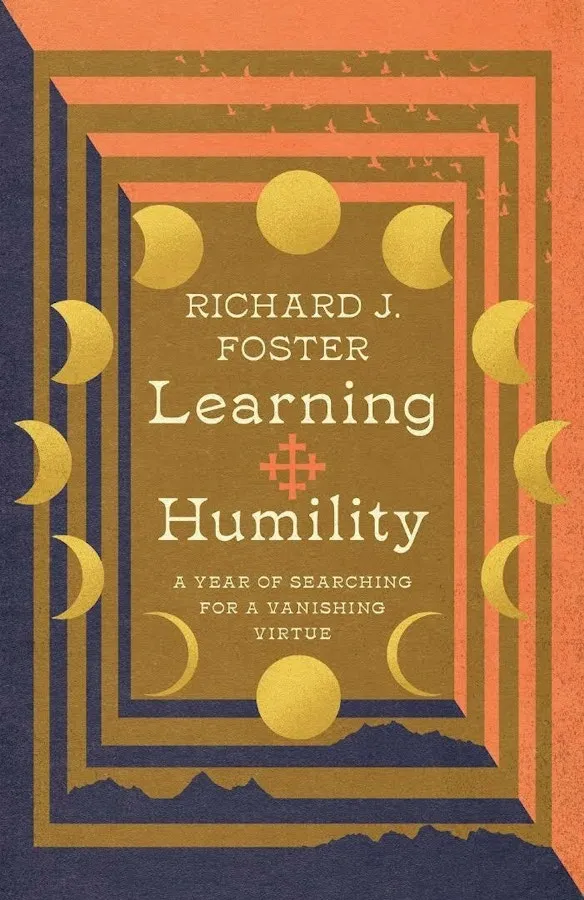
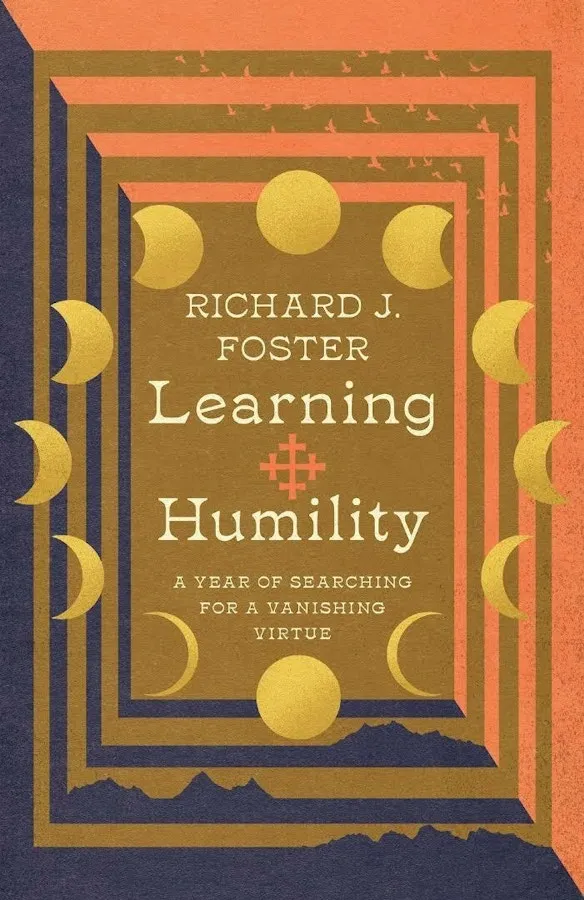
I recently listened to on Hoopla, through my my library, the book, Learning Humility: A Year of Searching for a Vanishing Virtue by Richard J. Foster.
The marketing summary of the book says it better than I can.
In a society where raging narcissism dominates the moral landscape, the virtue of humility is often dismissed as irrelevant. Not only is humility vanishing from contemporary culture, but we are also witnessing how destructive a lack of humility has become among our churches and ministry leaders. And yet, Richard Foster, the founder of Renovaré, insists that humility is central to the journey toward character formation and spiritual transformation. For this reason he decided to spend a year studying the virtue of humility.
Using the Lakota calendar as a framework, Foster provides us with a look into the insights he gathered from sources ranging from Native American culture to Julian of Norwich to Scripture to personal friends. By engaging with both the spiritual classics and Foster’s own experiences, Learning Humility provides profound insight into what humility can look like in our current cultural climate.
Join Richard Foster on the journey toward a life of humility, which he says leads us into “freedom, joy, and holy hilarity.”
Leave a Reply